
Master Last-Mile Delivery with No-Code Dashboards
Small retailers win when last-mile delivery performance becomes visible and actionable. This guide dives into using no-code dashboards to track on-time rates, first-attempt success, costs, and customer happiness. Subscribe for ready-to-use templates, and share your own hard-won tips; we’ll spotlight the most helpful stories for others navigating the same streets.
KPIs that move the needle
Prioritize the handful of measures that predict repeat purchases: on-time percentage by window, first-attempt success, average delay minutes, and cancellations prevented. Connect each figure to a concrete decision, like adjusting cut-off times or batching rules, so every number has an owner, a target, and an improvement plan.
Balancing speed, cost, and satisfaction
Fast matters until it breaks your budget or disappoints recipients. Use a simple scatter chart to visualize cost per drop against satisfaction and lateness, then choose the sweet spot by zone. This reveals where slightly slower routes actually raise happiness while protecting margins during volatile demand spikes.
Small data, big clarity
For most neighborhood retailers, weeks of clean orders, routes, and outcomes beat terabytes of noise. Start with ten reliable fields, validate them weekly, and spotlight outliers. A tiny, trustworthy dataset will land faster wins, inspire the team, and justify deeper integrations once confidence grows across departments.
What Success Looks Like on the Doorstep
Clarity begins with shared definitions that everyone can trust. Agree on on-time delivery, first-attempt success, average door-to-door time, cost per drop, exception reasons, and satisfaction scores. When metrics are consistent, your dashboard stops arguments, guides daily priorities, and celebrates improvements that customers actually feel at their doorstep.
From Spreadsheet Chaos to a Living Dashboard
Many stores live inside unwieldy spreadsheets that few people understand. Transform that patchwork into a living dashboard using no-code tools that mirror your workflow. Pull data automatically, visualize bottlenecks, and ship quick improvements. The goal is not perfection; it is momentum that compounds into consistent delivery excellence.




Data You Already Have, Connected
Your most valuable signals already exist in registers, e-commerce platforms, driver apps, and carrier dashboards. Connect orders, promised windows, actual arrival timestamps, and resolution notes. Add lightweight context like weather, event days, or building access quirks. The result is a coherent story that explains outcomes without complex infrastructure.

Maps that reveal hidden friction
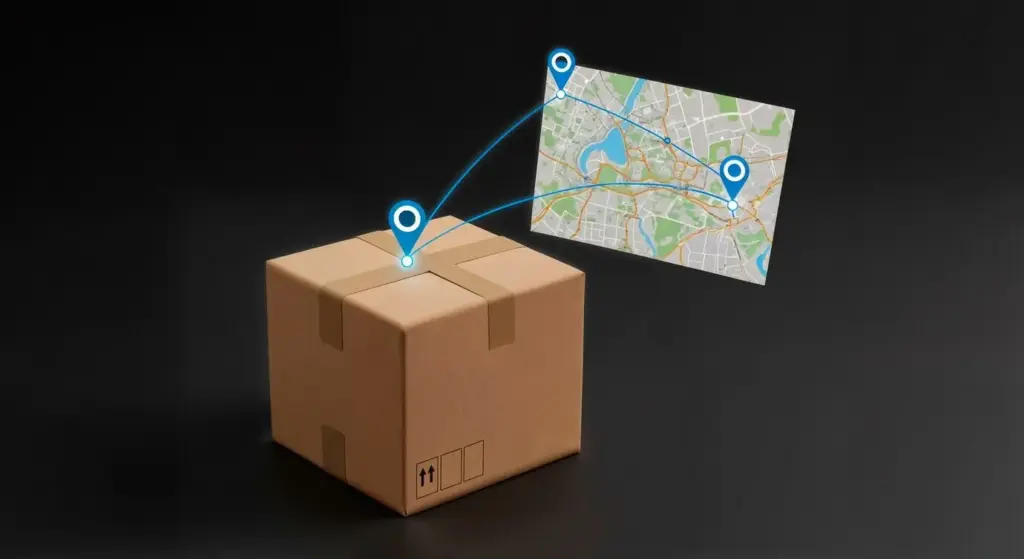
Visualize geographies by lateness, redeliveries, and parking difficulty. Pair shades with notes from drivers about elevators, gates, or congested blocks. Maps turn anonymous delays into specific obstacles, inviting creative solutions like micro-stops, walking couriers, or customer pickup lockers in exactly the buildings that generate the most pain.

Cohorts that explain volatility
Group orders by courier, item type, weather, or first-time buyers to see why yesterday looked different. Stable averages can mask wide swings inside specific combinations. Cohorts expose those swings, letting you adjust staffing, packaging, or windows only where it matters, rather than applying blunt, costly policies everywhere.
Delight at the Door: Experience by Design
The last touch shapes memory. Use your dashboard to trigger ETA texts, tracking pages, and apology messages when risk rises. Offer easy rescheduling, provide accessibility notes to drivers, and collect feedback immediately. Turning operational signals into thoughtful communication transforms stress into reassurance and loyalty that compounds purchase after purchase.
Proactive messaging calms nerves
Send helpful updates when trips start, approach, or slip. Clear expectations reduce support tickets and give recipients time to prepare access codes or elevators. Share a photo of the bag at the door when appropriate. Calm customers forgive small delays when they feel informed and respected throughout.
Proof that builds trust
Photos, signatures, and geostamps resolve disputes quickly and train better behaviors. Store them inside your dashboard with privacy safeguards and limited retention. Trustworthy records protect your team, support staff decisions, and enable faster refunds or reships when you want to delight a disappointed customer without debate.

Team Habits that Keep the Numbers Green
Tools help, but habits win. Establish short standups, simple debriefs, and visible scoreboards that connect actions to outcomes. Celebrate on-time streaks, learn openly from misses, and keep rotating small experiments. When people see progress they created, dashboards become allies, not surveillance, and performance keeps rising sustainably.
Peak season playbook you can reuse
Document cut-offs, overflow partners, and exception scripts. Simulate volume spikes a month early, then rehearse. When the rush hits, your dashboard becomes a control tower, alerting on backlog, missed windows, and support load, while the team executes proven moves instead of improvising under pressure.
Mixing local couriers and national networks
Blend bike couriers for dense zones with vans for outskirts, switching assignments by window and payload. Compare reliability and cost side by side. The dashboard exposes where each partner shines, letting you renegotiate or rebalance without guesswork, especially when fuel prices or demand patterns suddenly shift.
Expanding zones while honoring promises
Before you add new neighborhoods, model travel times, first-attempt rates, and customer expectations. Use small pilots with tight feedback loops, then formalize when data stays green. Controlled expansion preserves trust, keeps reviews high, and avoids the painful cycle of overreach followed by apologetic retrenchment.

All Rights Reserved.